





What is Breast Ptosis: Causes and Treatments
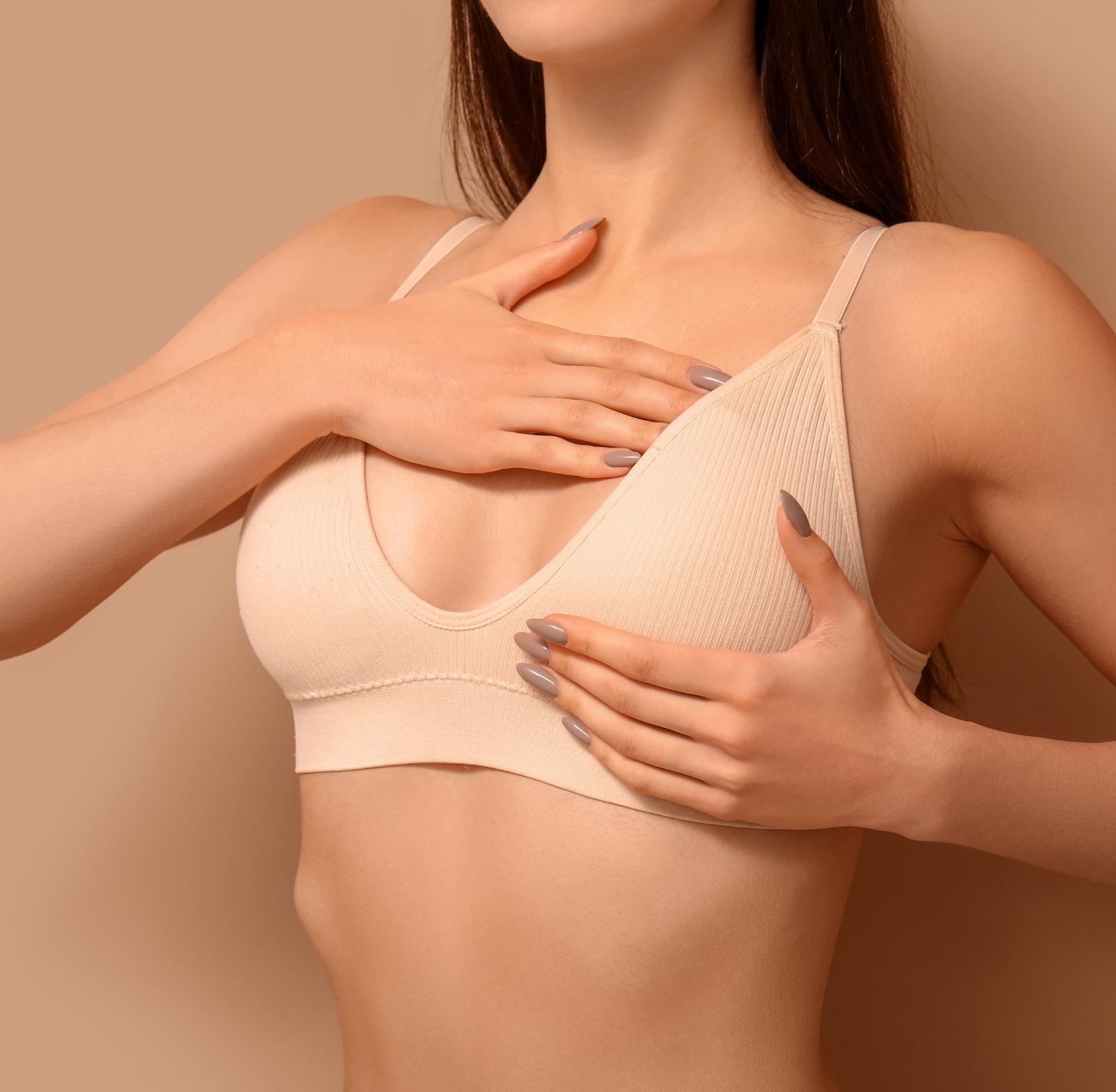
Breast ptosis, or sagging breasts, is a very common phenomenon that can happen to women of all ages. It’s especially prevalent in older women, women with large breasts, and those who have been pregnant or lost weight. No matter what age you are when breast ptosis develops, it can have a profound impact on self-esteem and emotional well-being.
If you have been looking for tips on how to reduce breast sagging, the good news is that there are some great options to restore natural-looking, contoured breasts that no longer feel or look deflated and saggy.Ready to explore your options with a board-certified plastic surgeon? Defyne’s signature treatments and concierge service can restore your self-confidence. Contact us today for a consultation.
What Is Breast Ptosis?
In medical terms, breast ptosis is the downward displacement of breast tissue and the nipple-areola complex. If the skin and ligaments around breast tissue become lax, gravity pulls the tissue downward. In some women, this can result in the nipples themselves pointing downward instead of out. Droopy, sagging breasts and excess skin can feel frustrating and embarrassing for many women.
Causes of Breast Ptosis
There are several reasons breast ptosis develops:
- Aging: the loss of skin elasticity and collagen is a normal part of the aging process and affects the breasts as well.
- Pregnancy and breastfeeding: the hormonal changes in pregnancy and breastfeeding, combined with breast enlargement and skin stretching, can dramatically reshape the way the breasts look.
- Weight fluctuations: repeated cycles of weight gain and loss stretch the skin and ligaments, as does significant weight loss.
- Genetics: women can inherit skin quality and breast tissue composition that is prone to sagging.
- Lifestyle factors: women who smoke, have high sun exposure, and who inconsistently use supportive bras can experience increased sagging. High-impact sports can exacerbate this.
- Young age factors: sagging breasts even at a young age can occur because of large breast size, smoking, or genetic predisposition.
Breast Ptosis Grading Scale
Physicians use a grading scale for breast ptosis to guide treatment decisions. Seeking a consultation with a board-certified plastic surgeon for clinical assessment can help you determine what grade of breast ptosis you have, as well as the next best steps to correct it.

Typically, the Regnault classification system is used to measure breast ptosis, which looks at the nipple position in relation to the natural crease under the breast where it meets the chest wall. This is called the inframammary fold (IMF).
Grading is as follows:
- Grade I (mild ptosis): the nipple is level with the IMF.
- Grade II (moderate ptosis): the nipple is below the level of the IMF, but there is still breast tissue that sags lower than the nipple.
- Grade III (severe ptosis): the nipple is below the IMF and is also the lowest part of the breast.
How to Reduce or Prevent Sagging Breasts
Although you can’t overcome certain factors like genetics, taking proper precautions can help prevent some degree of breast sagging. This includes wearing proper breast support, maintaining a stable weight, avoiding smoking, and protecting skin from sun damage.
Treatment Options for Breast Ptosis
Those seeking to tighten sagging breasts with noticeable results find that plastic surgery options to treat ptosis can help. There are a few traditional approaches:
- Mastopexy (breast lift): removes excess skin, reshapes breast tissue, and repositions the nipple
- Breast augmentation: uses implants or fat grafting for volume restoration and increased breast firmness
- Combined procedures: a breast lift procedure plus augmentation for optimal results
The choice of treatment approach will depend on your goals for treatment as well as how much breast sagging you have. Questions to ask include the best type of breast lift (if breast lift is chosen vs augmentation), what recovery timeline to expect, typical complications of the chosen procedure, and whether you are a good candidate for surgical correction.
Because both breast lift and breast augmentation are surgical procedures, they do have associated risks. These include infection, scarring, pain, potential breast implant rupture in some types of augmentation procedures, and cosmetic concerns following surgery. Women who are planning to become pregnant or breastfeed after these procedures should discuss this with their physician.
Defyne’s Procedures for Breast Ptosis
At Defyne, those seeking a breast lift or breast augmentation procedures have access to personalized, cutting-edge approaches that are redefining how care is delivered. Both procedures are performed with local anesthesia only, with natural-looking, scar-free results and minimal downtime for recovery:
- Defyne’s True Form Breast Lift: a combination of advanced technologies offering a minimally invasive approach to correct minimal to moderate breast sagging.
Defyne’s True Shape Breast Augmentation: a minimally invasive alternative to traditional augmentation that eliminates the need for breast implants with advanced fat grafting techniques to improve breast shape.
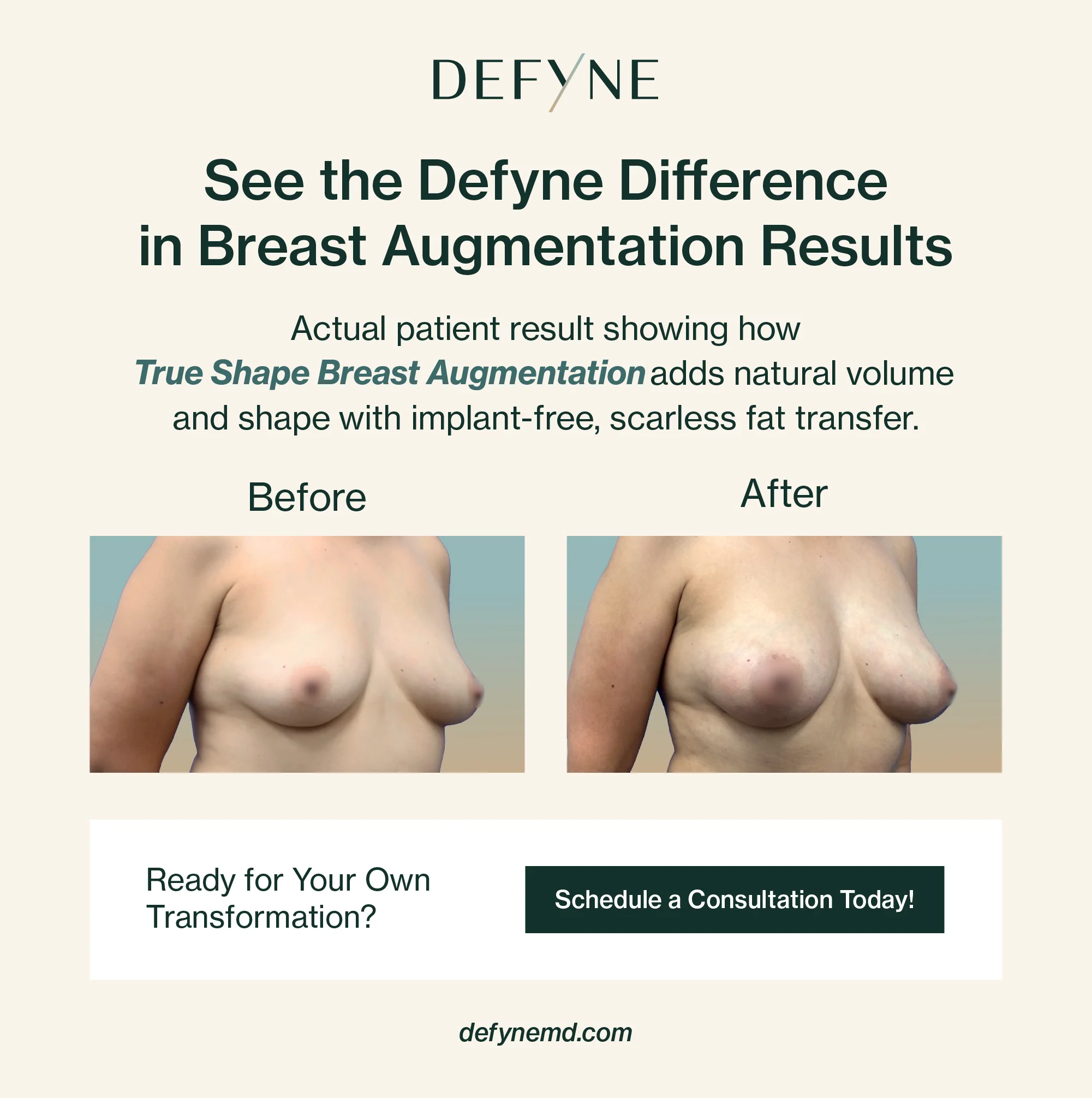
If you have more severe breast ptosis, it still may be beneficial to seek traditional treatment approaches. Our expert team can not only help you understand the best approach, but we also offer traditional plastic surgery treatment when appropriate.
Ready to Correct Breast Ptosis?
Understanding breast ptosis can help you get rid of saggy breasts, no matter how significant the problem seems. By achieving a contoured, natural-looking breast appearance, you can regain your self-esteem and leave drooping breasts in the past.
Our board-certified physicians specialize in personalized, leading-edge aesthetic care and can guide you through the next steps today.
Contact Us
Request a Consultation
Are you ready to take the first step toward defining your destiny and achieving your best look yet? At Defyne, our board-certified plastic surgeons are skilled in performing both surgical and non-surgical procedures, achieving individualized, natural-looking results. Contact Defyne today to schedule your consultation appointment.