





What Causes Cellulite? Understanding the Science and Solutions
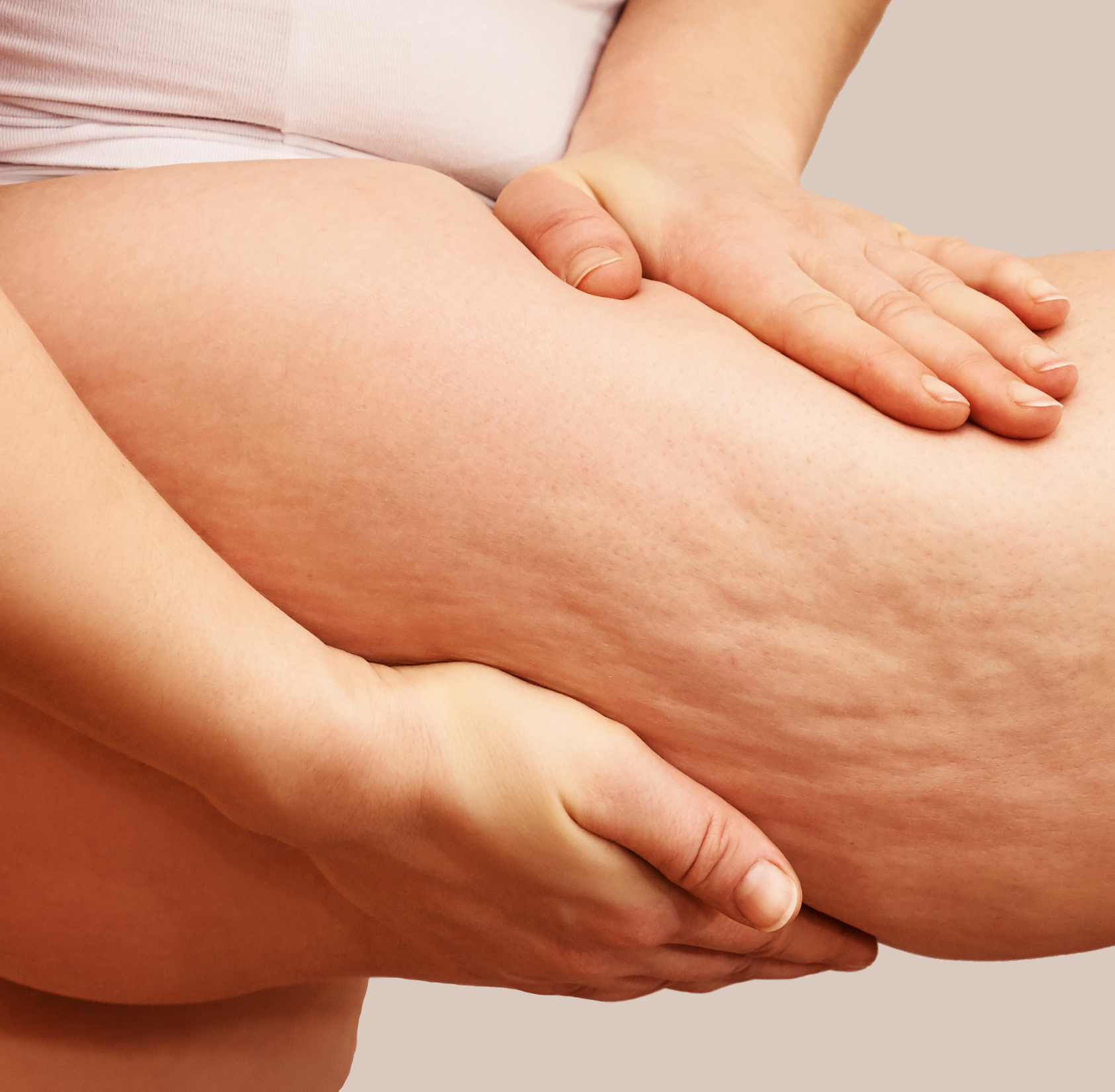
If you’re striving for a smooth, contoured body, seeing cellulite in the mirror can be a frustrating blow to your confidence. This common phenomenon affects most women to some degree, and finding effective ways to combat it can add to the frustration.
To achieve the look of your dreams, learning about what causes cellulite can help you understand why some cellulite treatments work while others are ineffective.
At Defyne, we’re proud of our cutting-edge technology and approach to aesthetic care, and our board-certified plastic surgeons can walk you through innovative options for treating cellulite with excellent results.
Schedule a consultation today and take your first step!
What is Cellulite?
Also described as a “cottage cheese texture” or “orange-peel skin”, cellulite is the dimpled, lumpy appearance of subcutaneous tissue that affects as many as 80-90% of women after puberty. It most often appears around the thighs, hips, abdomen, and buttocks.
Although often thought of as related to fat or weight gain, women who are of a normal weight can also develop cellulite.
What Causes Cellulite?
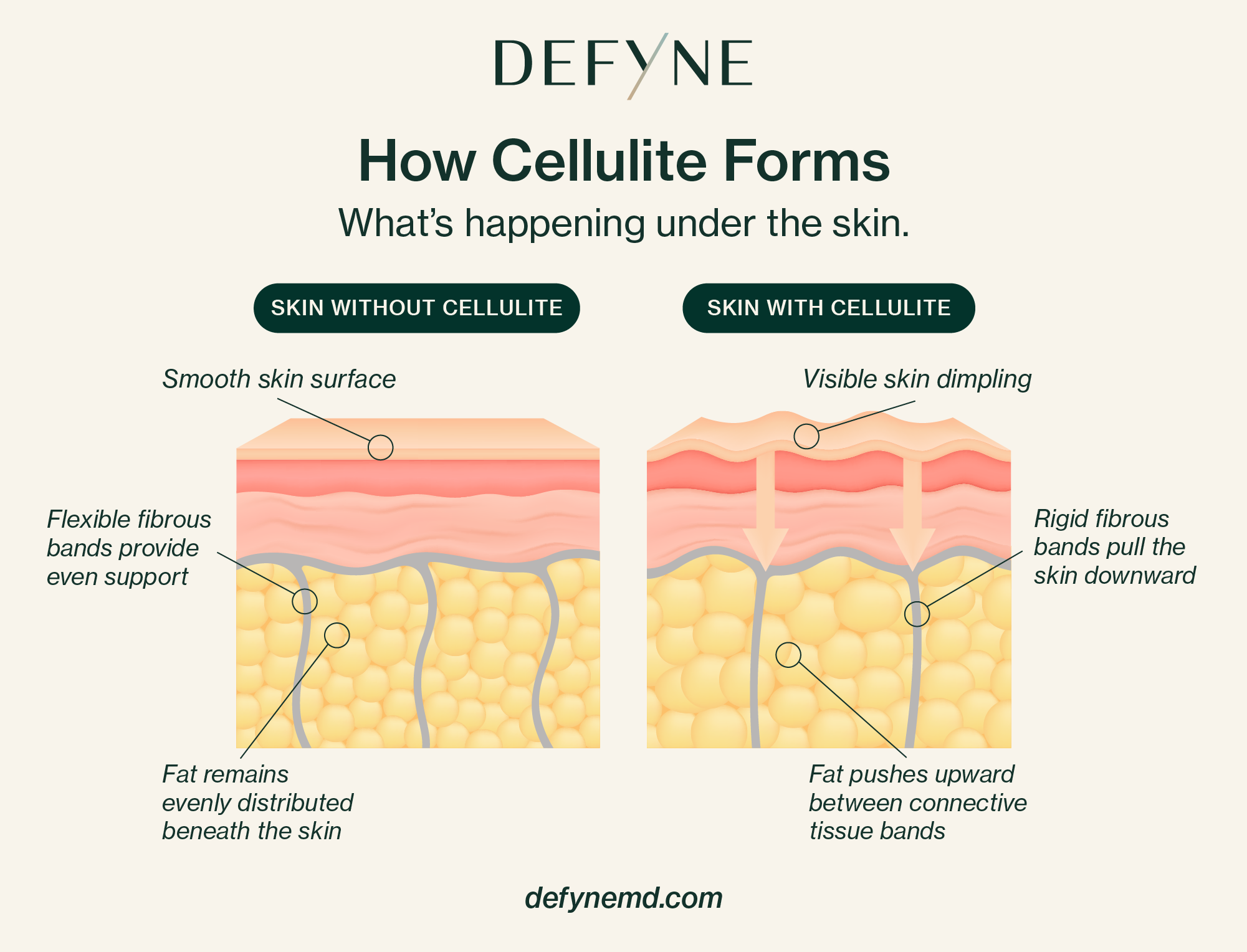
Cellulite is not a medical problem — it is a structural change in the way the fat cells underneath the skin interact with connective tissue beneath the skin, or fibrous bands called septae. These bands pull the skin downward while fat cells push upward, resulting in uneven, bumpy skin texture.
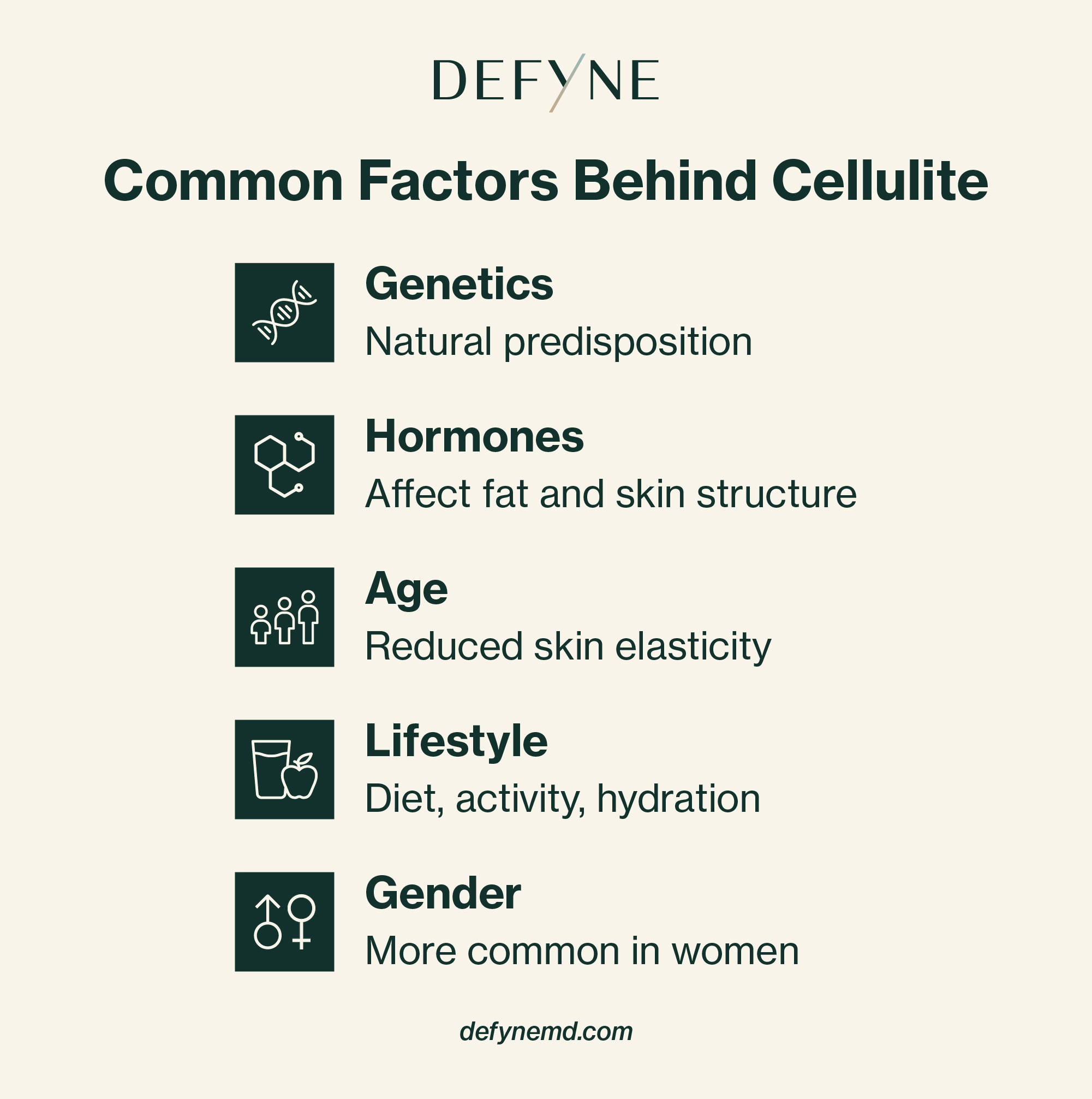
There are several causes of cellulite:
1. Hormonal Factors
In women, estrogen affects fat distribution. It can also affect collagen production, which in turn affects the elasticity of the skin.
Throughout a woman’s life, estrogen levels can shift depending on age, pregnancy, and other factors, causing her to develop cellulite. Additionally, thyroid hormones, insulin, and the stress hormone cortisol can alter fat distribution and skin health, thereby increasing the appearance of cellulite.
2. Genetic Influence
Research shows that genetics can also play a role in cellulite appearance. Some genes can affect how circulation influences tissues, making a person more susceptible to severe cellulite.
3. Lifestyle and Aging Factors
As we age, our skin loses elasticity and naturally becomes thinner, which can make cellulite more visible. Lifestyle factors such as diet, hydration, and physical activity also play a role in how prominently cellulite appears.
4. Gender
Connective tissue structure in women is different from that in men, which means only a small percentage of men (around 10%) experience cellulite, and when they do, it’s usually not as pronounced as it is for women.
Grades and Severity of Cellulite
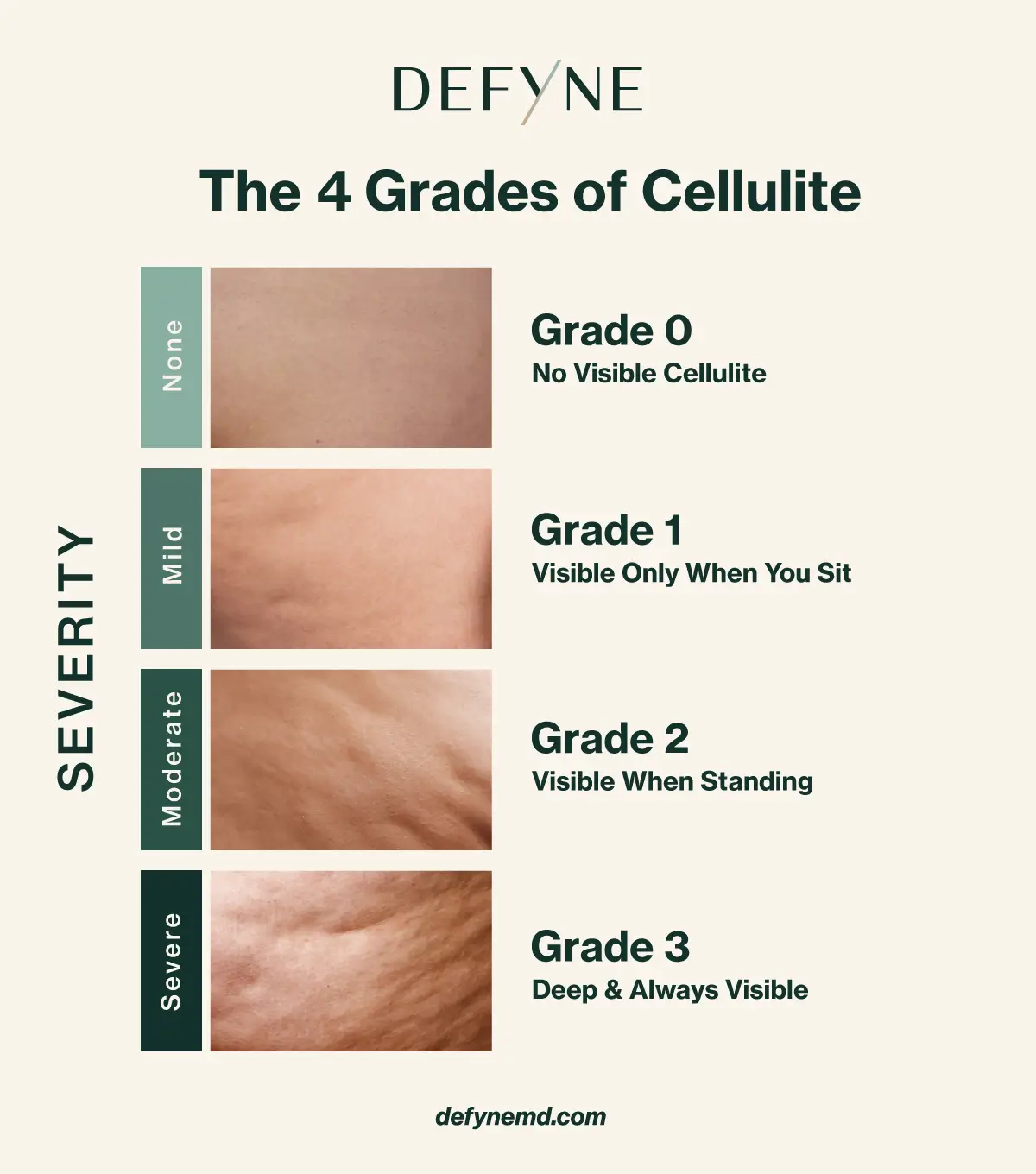
To help guide treatment choices, physicians use a clinical grading scale for cellulite, which ranges from 0-3:
- Grade 0: no visible dimpling
- Grade 1: mild dimpling when the skin is pinched
- Grade 2: moderate dimpling visible while standing
- Grade 3: severe, deep depressions visible at all times
Milder grades may respond to lifestyle changes and non‑invasive therapies, while more severe grades often require minimally invasive or structural correction procedures to achieve meaningful improvement.
Cellulite Treatment Options
For grade 1-3 cellulite, there are several treatment strategies that can eliminate or reduce cellulite in target areas, with varying results:
1. Lifestyle-Based Interventions (Mild Cases)
In mild cases of cellulite, a healthy lifestyle, including weight loss and/or exercise, can minimize its appearance. Although people of any weight can experience cellulite, improving muscle tone, losing weight when appropriate, and focusing on a healthy diet and good hydration can help reduce small amounts of cellulite.
2. Topical Treatments
There are a variety of creams and ointments on the market advertised for cellulite treatment containing caffeine or retinol. These can help smooth or tighten the appearance of the skin and minimize mild cases of cellulite, but they don’t treat the underlying cause or eliminate cellulite.
3. Non‑Invasive Procedures
Massage‑based treatments like endermologie can temporarily improve circulation and skin texture to reduce the appearance of cellulite, but their results tend to be short-lived.
Energy‑based therapies such as radiofrequency, laser treatment, and acoustic wave therapy offer moderate improvement by stimulating collagen or breaking fibrous bands, though they usually require multiple sessions and ongoing maintenance.
Defyne’s Approach to Cellulite Treatment
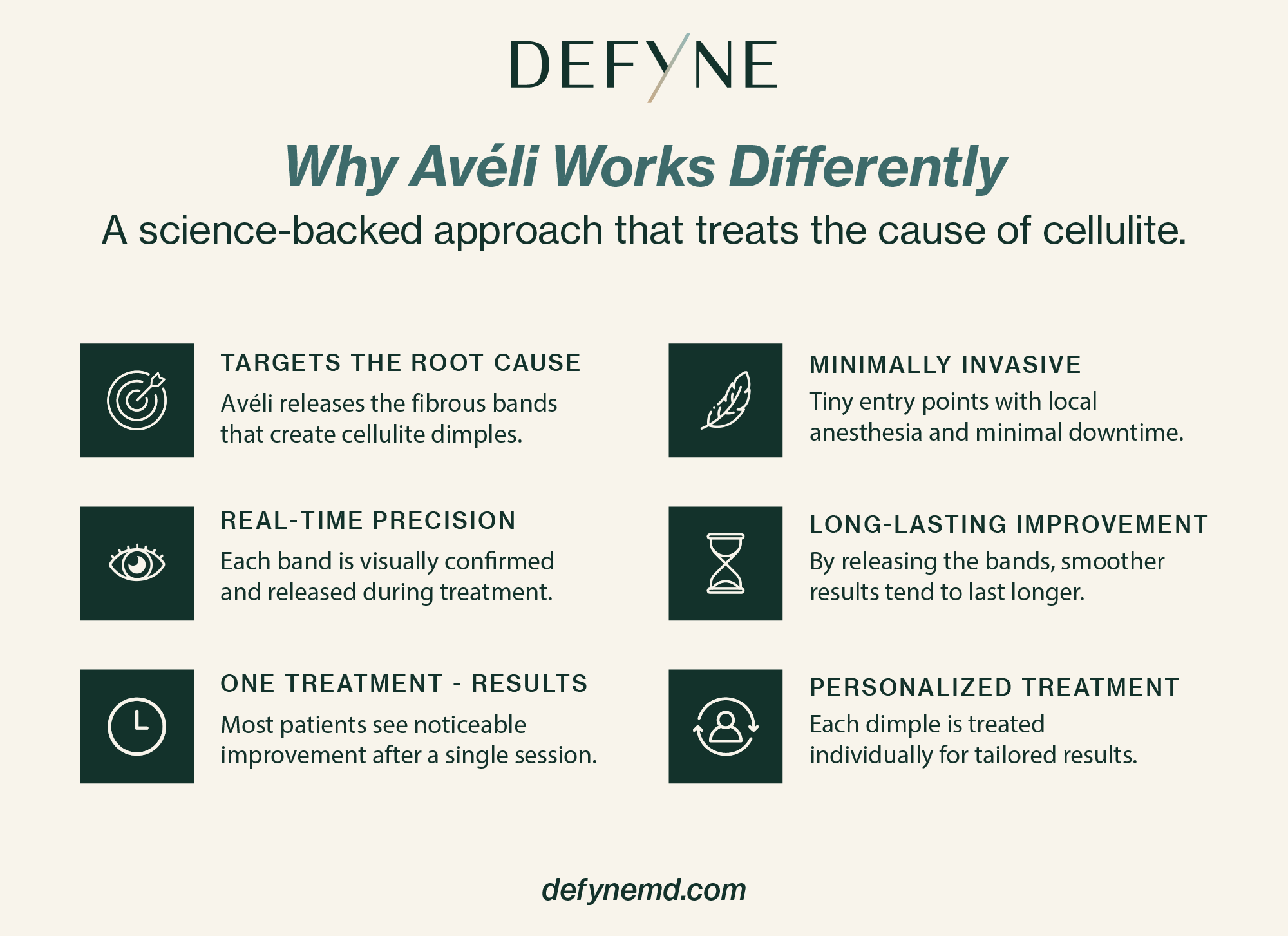
For moderate cellulite or severe cellulite, Defyne offers an advanced two‑step approach to addressing cellulite that targets its underlying structural causes. This method delivers more effective and natural‑looking improvements than traditional treatments, while remaining minimally invasive and requiring minimal downtime.
The first step focuses on releasing the fibrous connective tissue that creates dimples by using the Avéli procedure. These connective bands are precisely broken to smooth skin and produce long‑lasting improvements.
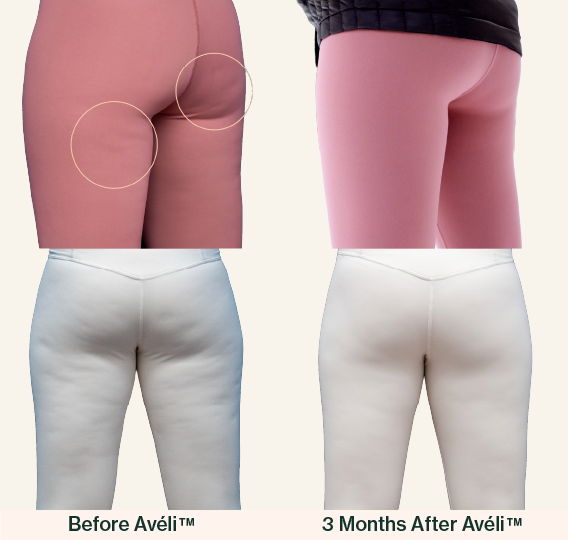
The second step addresses the underlying depressions left behind by filling the contours so the bands do not re‑form. This can be achieved through fat grafting using the patient’s own harvested fat cells, or with alloClae — an advanced, ready‑to‑use filler that integrates naturally with tissue and offers immediate contour enhancement.
Additional options include collagen‑stimulating dermal fillers such as Sculptra, Bellafill, and Radiesse.
Together, both steps offer volume restoration, reinforce smoother skin structure, and enhance the overall durability of results.
By combining these advanced techniques with patient‑focused comfort measures, this innovative procedure is safely performed while awake. A combination of Pro-Nox (a sedative gas) and local anesthetic is used throughout the procedure, which typically lasts between 30 minutes to a few hours, depending on how many dimples are addressed.
After the first 24-48 hours, light activities can be resumed, but strenuous activities should be avoided for 1-2 weeks. Bruising, swelling, and tenderness may be present during the initial recovery period, but this usually resolves within a few weeks. While results can be seen right away, the full effect is best appreciated after a few weeks, once any bruising and swelling have diminished.
What to Expect at Your Consultation with Defyne
To determine the cellulite treatment that best aligns with your goals, the ideal next step is to meet with one of Defyne’s board-certified plastic surgeons. During this consultation, you’ll have the chance to discuss your concerns, explore available treatment options, and review your medical history so our experts can recommend a personalized plan.
If you’re ready to tackle cellulite, schedule your consultation and begin your path toward a more confident appearance.
Contact Us
Request a Consultation
Are you ready to take the first step toward defining your destiny and achieving your best look yet? At Defyne, our board-certified plastic surgeons are skilled in performing both surgical and non-surgical procedures, achieving individualized, natural-looking results. Contact Defyne today to schedule your consultation appointment.